


“Kill 3 Million and the Rest Will Eat of Our Hands”: Genocide, Rape, and the Bangladeshi War of Liberation
Author: Anwar Ouassini and Nabil Ouassini
Introduction
On 26 March 1971, the independence of Bangladesh was declared by Shiekh Mujib Rahman (1920–1975), the eventual first president of the new nation state after he had called for campaigns of civil disobedience and armed resistance against President Yahya Khan’s junta in West Pakistan. For the next six months, the Bangladeshi War of Liberation was fought between the Pakistani military junta (West Pakistan) that was unwavering in its possession of “East Pakistan” and Bengali nationalists determined to gain independence in the face of political, economic, cultural, and linguistic suppression. The protracted conflict resulted in numerous violent atrocities that eventually evolved into genocidal violence, mass killings and deportations. One of the unique characteristics of the Pakistani genocide in Bangladesh was the systematic use of rape and torture against the populace. While the rape and torture of women, men, and children in Bangladesh was not historically viewed within the larger discursive repertoire of genocide, the changes in international law and other genocidal events in Rwanda, the Congo, Bosnia, and Darfur has allowed scholars to revisit and expand the definitions of genocide to include components of sexual violence. This chapter explores the role of rape as a tool of war in the context of the War of Liberation in 1971, Bangladesh. In doing so, the paper will first present a chronological description of the conflict, contextualize the historical back ground, and evaluate the use of racial and religious ideologies that produced the ideological impetus and justification for the genocide; specifically, the use of systematic and targeted rape in the war. The chapter will conclude with a discussion on the lessons from the conflict that the international community can learn from especially in the context of genocidal rape.
Background
The East-West Pakistan conflict and the subsequent War of Liberation (1971) was a direct consequence of the temporal power of the 1947 partition of British India. The political and economic structures that were manufactured in East and West Pakistan, favored the Punjabis and Sindhis who dominated West Pakistani politics.After consolidating and centralizing power in West Pakistan, subsequent regimes exploited, dominated, and repressed the East where more than half of the population resided. Moreover, nearly all of the major institutions were filled by West Pakistani elites including the civil service, the military, and the overall administration of government.1 A system of direct representation would have provided East Pakistan with a concentration of political power and thus, the West Pakistanis instituted a geopolitical program (One Unit) that merged the four major provinces in West Pakistan into one as a counterbalance. This would imaginatively rework East-West Pakistani democracy in favor of the West. These inequalities were also reflected in the economic structures as East Pakistani wealth was consistently transferred and allotted to Western Pakistani projects and investments including the building of the capital, Islamabad.[2]
Although the majority of both West and East Pakistan were Muslim, other ethnic, linguistic, and cultural characteristics overshadowed their shared religious identities. These public disagreements were
লেখাটি পড়ার জন্য সাবস্ক্রাইব করুন
এক বছর
৳৯৯
এক মাস
৳৩০
রেজিস্ট্রেশন করা নেই? রেজিস্ট্রেশন করে ৭ দিন বিনামূল্যে ব্যবহার করুন
পড়ার জন্য প্রতিদিন নতুন কিছু

বাংলা সাহিত্যের বৃহত্তর আর্কাইভ

পুরনোর সঙ্গে থাকছে নতুন লেখাও

যোগাযোগ করতে


প্রক্রিয়াধীন
সাহিত্যজগতে অনন্য প্রতিভা। সবসময়ই নিজের লেখা দিয়ে পাঠকের মন ছুঁয়েছেন, ভাবনা জাগিয়েছেন ভিন্নতার। মফস্বলে বেড়ে ওঠা। নিত্য দিনের জীবন থেকেই লেখার অনুপ্রেরণা খুঁজে নিয়েছেন। প্রকাশনার ক্ষেত্রে নতুন হলেও তাঁর হৃদয়গ্রাহী বর্নণার মাধ্যমে জীবন, প্রকৃতির জীবন্ত এক চিত্রই পাঠকের সামনে হাজির করেন।
You Might Also Like
-
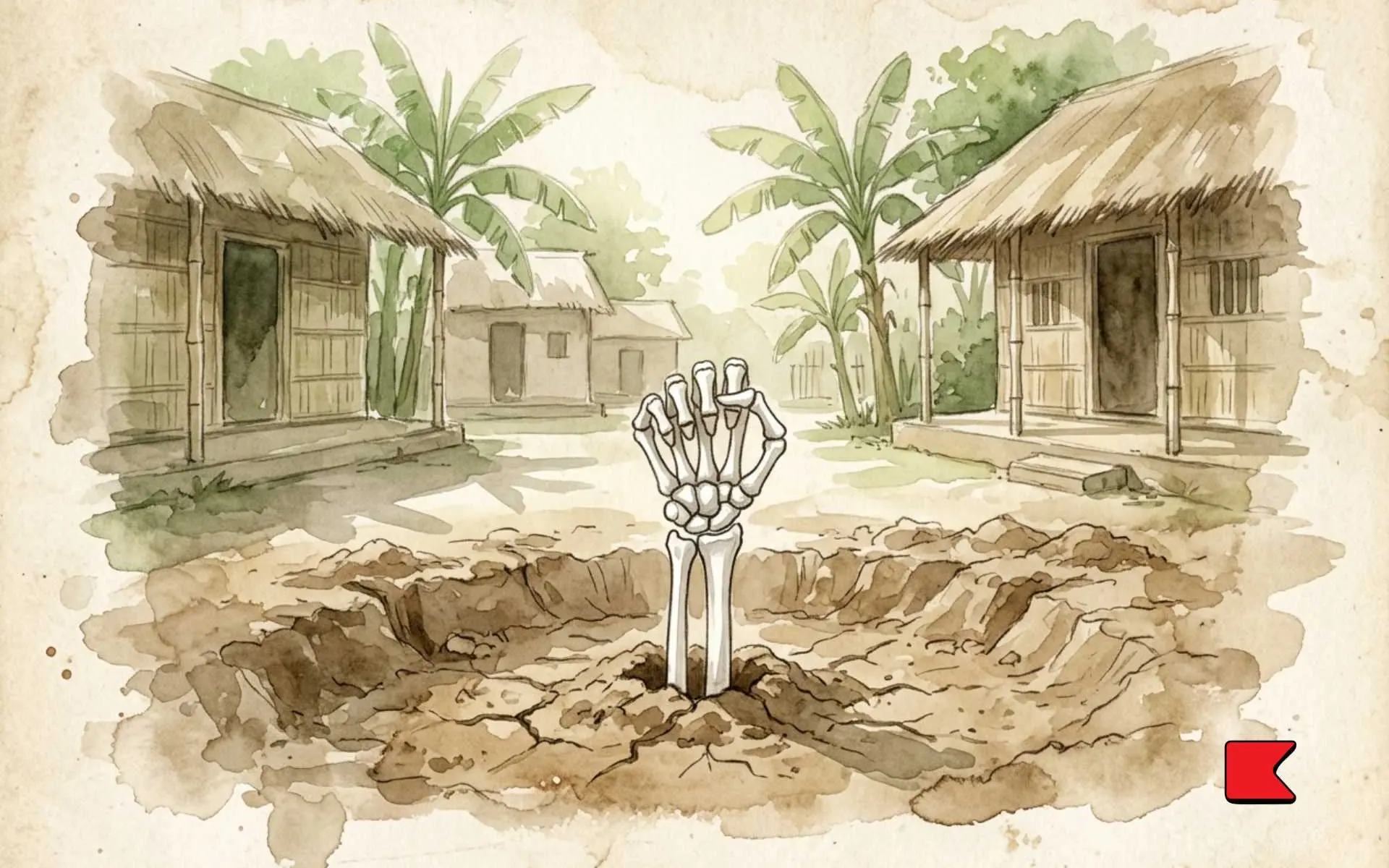
তপুকে আবার ফিরে পাব, এ কথা ভুলেও ভাবিনি কোনোদিন। তবু সে আবার ফিরে এসেছে আমাদের মাঝে। ভাবতে অবাক লাগে, চারবছর আগে যাকে হাইকোর্টের মোড়ে শেষবারের মতো দেখেছিলাম, যাকে জীবনে আর দেখব বলে স্বপ্নেও কল্পনা করিনি- সেই তপু ফিরে এসেছে। ও ফিরে আসার পর থেকে আমরা সবাই যেন কেমন একটু উদ্বিগ্ন হয়ে পড়েছি। রাতে ভালো ঘুম হয় না। যদিও একটু-আধটু তন্দ্রা আসে, তবু অন্ধকারে হঠাৎ ওর দিকে চোখ পড়লে গা হাত পা শিউরে ওঠে। ভয়ে জড়সড় হয়ে যাই। লেপের নিচে দেহটা ঠক্ ঠক্ করে কাঁপে।
দিনের বেলা অনেকেই আমরা ছোটখাটো জটলা পাকাই।
দিনের বেলা ওকে ঘিরে দেখতে আসে ওকে। অবাক হয়ে
-
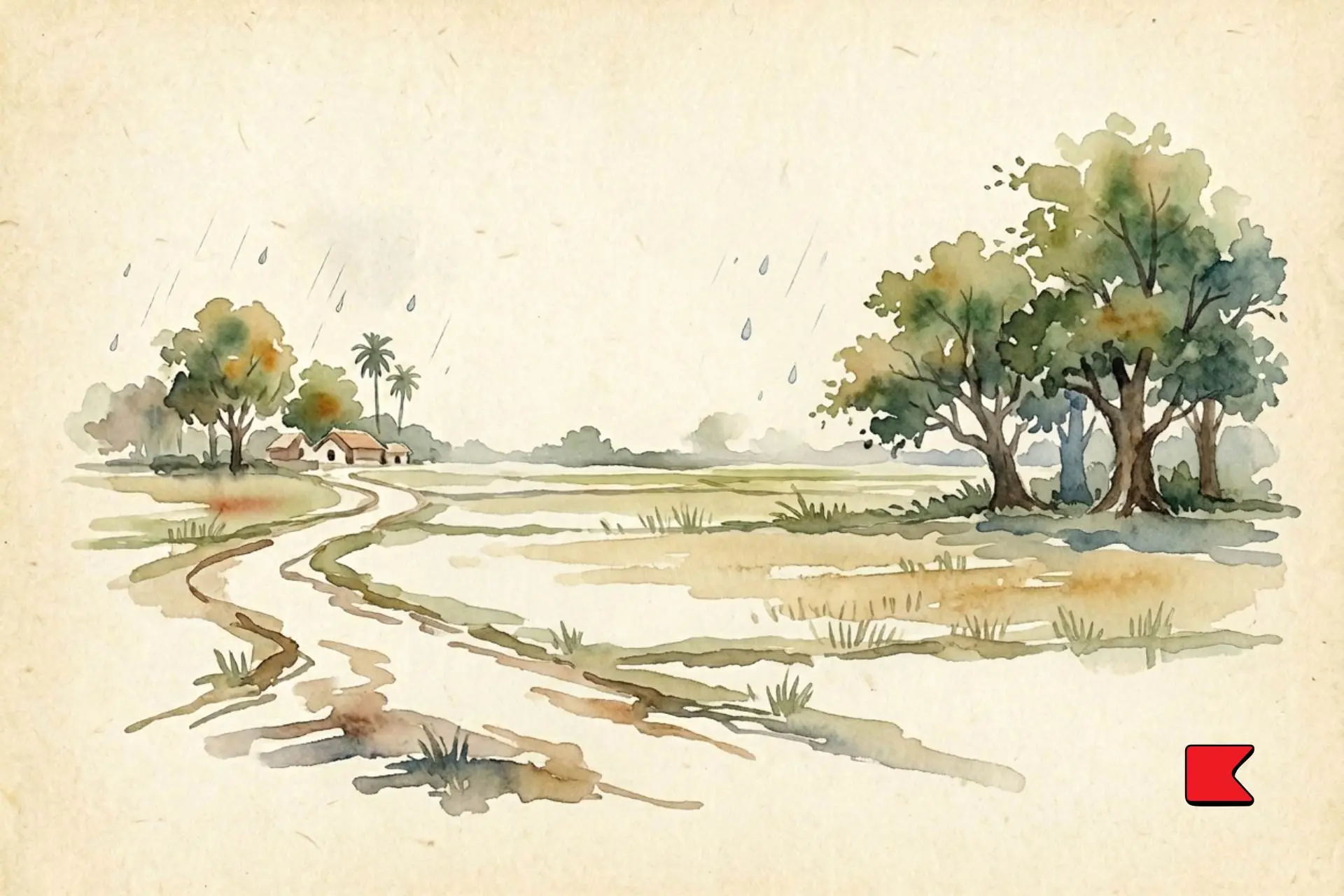
বাংলাদেশ ছিল নদীমাতৃক। নদী ছিল বাংলার জীবনযাত্রার সঙ্গে অঙ্গাঙ্গিভাবে জড়িত। কিন্তু আজ যে-টুকু বাংলা আমাদের, সে বাংলা তেমন নদীবহুল নয়। যে-অংশ নদীবহুল এবং নদীর খেয়ালখুশীর সঙ্গে যে অংশের মানুষের জীবনযাত্রা একসূত্রে বাঁধা সে অংশ আজ আমাদের কাছে বিদেশ। অদৃষ্টের এ পরিহাস রবীন্দ্রনাথের কাছে ভয়ানক দুঃখের কারণ হত।
প্রকৃতি রবীন্দ্রনাথকে আবিষ্ট করেছিল। সেদিক থেকে তিনি ওয়ার্ডসওয়ার্থের সগোত্র ছিলেন। কিন্তু প্রকৃতির বিভিন্ন প্রকাশের মধ্যে নদী কবিকে বোধহয় সবচেয়ে বেশী মুগ্ধ ক’রেছিল। তাই কবি নদীর কাছে সময়ে অসময়ে ছুটে গেছেন। তাই তিনি নদীর বুকে নৌকাতে ভাসতে এত ভালবাসতেন। নদীর তরুণীসুলভ চাপল্য এবং গতি কবির চিরতরুণমনে গভীর দাগ কেটেছিল। তাছাড়া সংসারের কোলাহল থেকে মুক্তি

Leave A Comment
Don’t worry ! Your email address will not be published. Required fields are marked (*).





Comments