


BANGLADESH
Author: Susan Brownmiller
Indira Gandhi's Indian Army had successfully routed the West Pakistanis and had abruptly concluded the war in Bangladesh when small stories hinting at the mass rape of Bengali women began to appear in American newspapers. The first account I read, from the Los Angeles Times syndicated service, appeared in the New York Post a few days before Christmas, 1971. It reported that the Bangladesh government of Sheik Mujibur Rahman, in recognition of the particular suffering of Bengali women at the hands of Pakistani soldiers, had proclaimed all raped women "heroines" of the war for independence. Farther on in the story came this ominous sentence: "In traditional Bengali village society, where women lead cloistered lives, rape victims often are ostracized."
Two days after Christmas a more explicit story, by war correspondent Joseph Fried, appeared in the New York Daily News, datelined Jessore. Fried described the reappearance of young Bengali women on the city streets after an absence of nine months. Some had been packed off to live with relatives in the countryside and others had gone into hiding. "The precautions," he wrote, "proved wise, if not always effective."
A stream of victims and eyewitnesses tell how truckloads of Pakistani soldiers and their hireling razakars swooped down on villages in the night, rounding up women by force. Some were raped on the spot. Others were carried off to military compounds. Some women were still there when Indian troops battled their way into Pakistani strongholds. Weeping survivors of villages razed because they were suspected of siding with the Mukti Bahini freedom fighters told of how wives were raped before the eyes of their bound husbands, who were then put to death. Just how much of it was the work of Pakistani "regulars" is not clear. Pakistani officers maintain that their men were too disciplined "for that sort of thing."
Fearing I had missed the story in other papers, I put in a call to a friend on the foreign desk of The New York Times. "Rape of Bengali women?" He laughed. "I don't think so. It doesn't sound like a Times story." A friend at Newsweek was similarly skeptical. Both said they'd keep a lookout for whatever copy passed their way. I got the distinct impression that both men, good journalists, thought I was barking up an odd tree.[*]
In the middle of January the story gained sudden credence. An Asian relief secretary for the World Council of Churches called a press conference in Geneva to discuss his two-week mission to Bangladesh. The Reverend Kentaro Buma reported that more than 200,000 Bengali women had been raped by Pakistani soldiers during the nine-month conflict, a figure that had been supplied to him by Bangladesh authorities in Dacca. Thousands of the raped women had become pregnant, he said. And by tradition, no Moslem husband would take back a wife who had been touched by another man, even if she had been subdued by force. "The new authorities of Bangladesh are trying their
লেখাটি পড়ার জন্য সাবস্ক্রাইব করুন
এক বছর
৳৯৯
এক মাস
৳৩০
রেজিস্ট্রেশন করা নেই? রেজিস্ট্রেশন করে ৭ দিন বিনামূল্যে ব্যবহার করুন
পড়ার জন্য প্রতিদিন নতুন কিছু

বাংলা সাহিত্যের বৃহত্তর আর্কাইভ

পুরনোর সঙ্গে থাকছে নতুন লেখাও

যোগাযোগ করতে


প্রক্রিয়াধীন
সাহিত্যজগতে অনন্য প্রতিভা। সবসময়ই নিজের লেখা দিয়ে পাঠকের মন ছুঁয়েছেন, ভাবনা জাগিয়েছেন ভিন্নতার। মফস্বলে বেড়ে ওঠা। নিত্য দিনের জীবন থেকেই লেখার অনুপ্রেরণা খুঁজে নিয়েছেন। প্রকাশনার ক্ষেত্রে নতুন হলেও তাঁর হৃদয়গ্রাহী বর্নণার মাধ্যমে জীবন, প্রকৃতির জীবন্ত এক চিত্রই পাঠকের সামনে হাজির করেন।
You Might Also Like
-
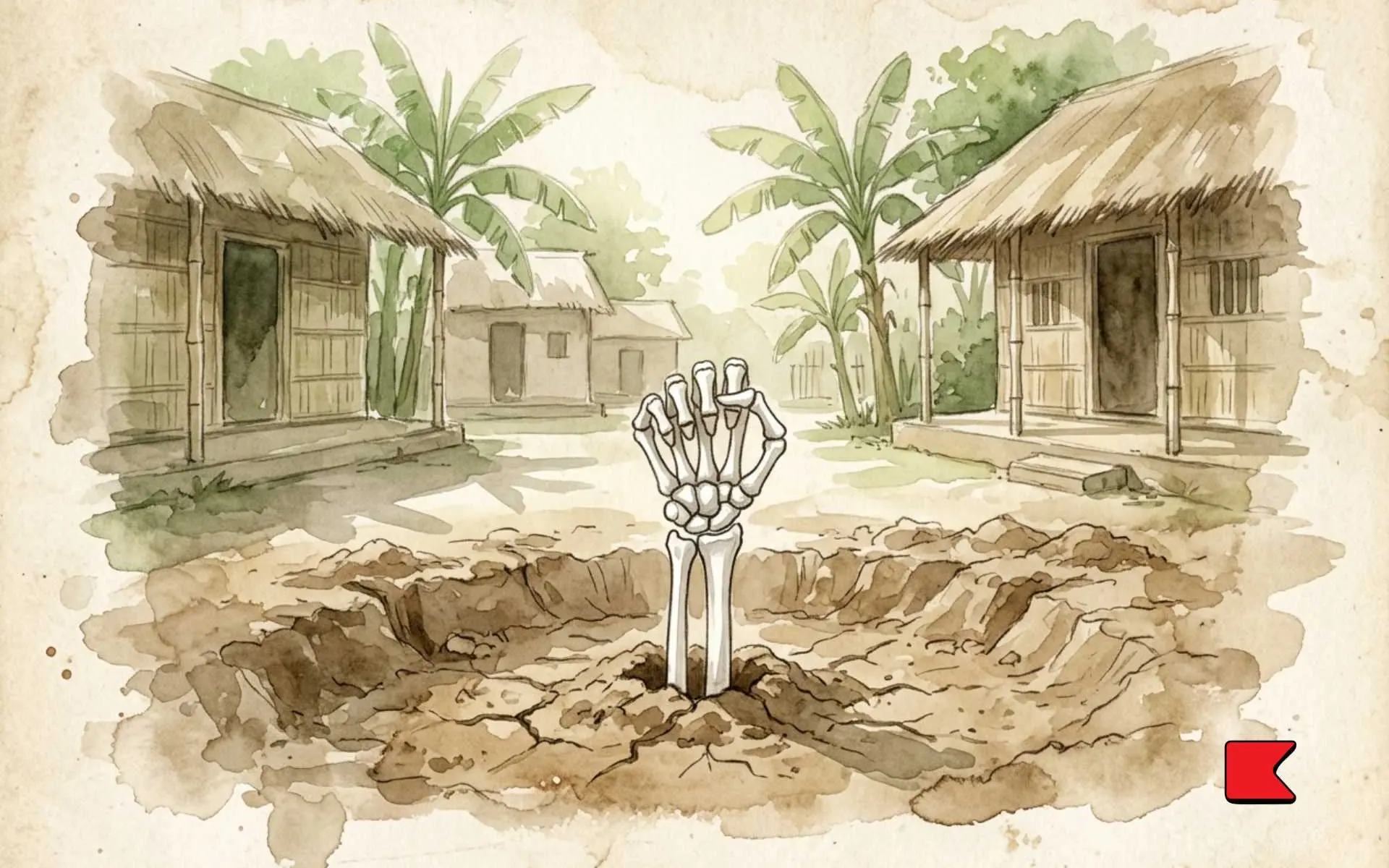
তপুকে আবার ফিরে পাব, এ কথা ভুলেও ভাবিনি কোনোদিন। তবু সে আবার ফিরে এসেছে আমাদের মাঝে। ভাবতে অবাক লাগে, চারবছর আগে যাকে হাইকোর্টের মোড়ে শেষবারের মতো দেখেছিলাম, যাকে জীবনে আর দেখব বলে স্বপ্নেও কল্পনা করিনি- সেই তপু ফিরে এসেছে। ও ফিরে আসার পর থেকে আমরা সবাই যেন কেমন একটু উদ্বিগ্ন হয়ে পড়েছি। রাতে ভালো ঘুম হয় না। যদিও একটু-আধটু তন্দ্রা আসে, তবু অন্ধকারে হঠাৎ ওর দিকে চোখ পড়লে গা হাত পা শিউরে ওঠে। ভয়ে জড়সড় হয়ে যাই। লেপের নিচে দেহটা ঠক্ ঠক্ করে কাঁপে।
দিনের বেলা অনেকেই আমরা ছোটখাটো জটলা পাকাই।
দিনের বেলা ওকে ঘিরে দেখতে আসে ওকে। অবাক হয়ে
-
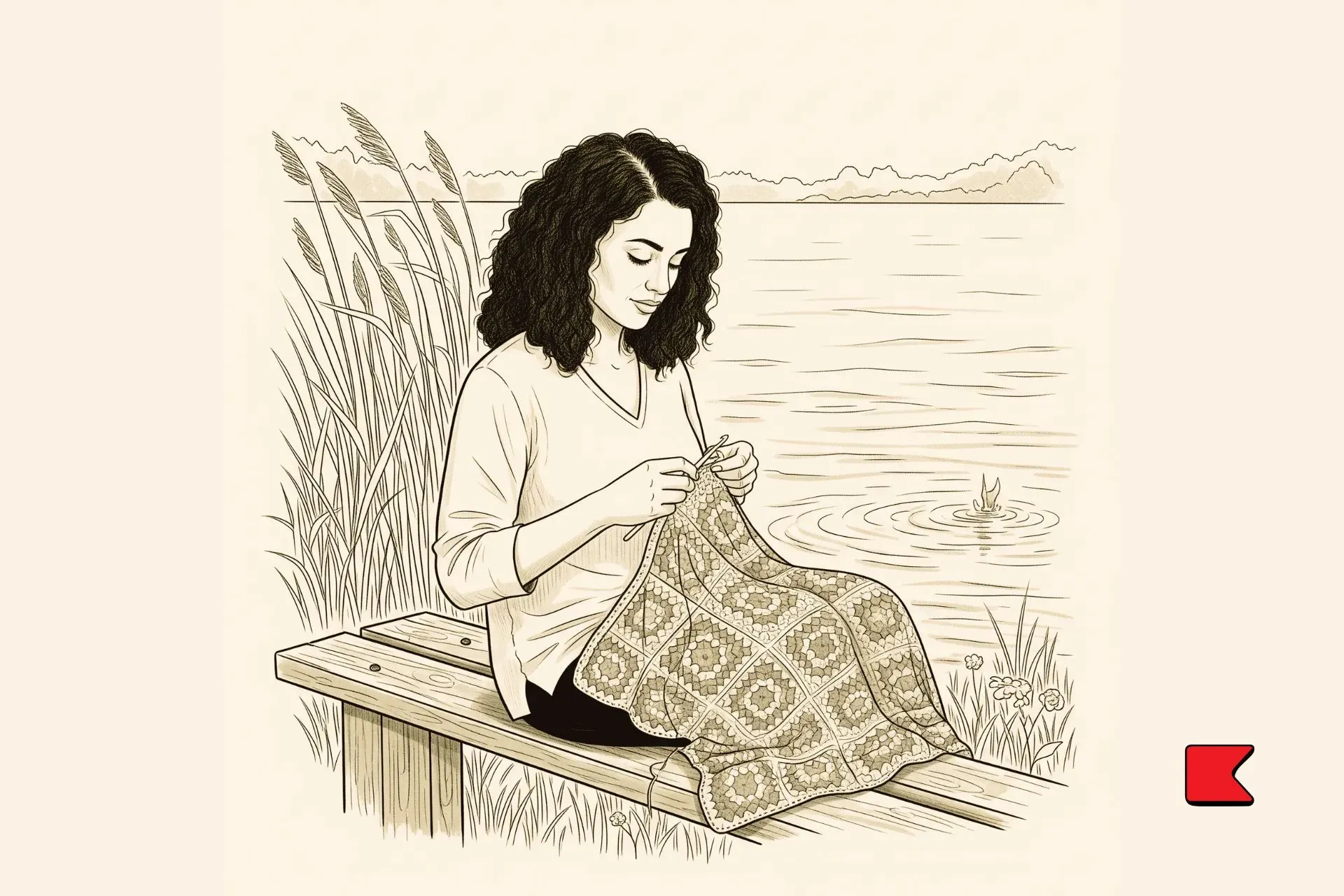
বাংলাদেশ ছিল নদীমাতৃক। নদী ছিল বাংলার জীবনযাত্রার সঙ্গে অঙ্গাঙ্গিভাবে জড়িত। কিন্তু আজ যে-টুকু বাংলা আমাদের, সে বাংলা তেমন নদীবহুল নয়। যে-অংশ নদীবহুল এবং নদীর খেয়ালখুশীর সঙ্গে যে অংশের মানুষের জীবনযাত্রা একসূত্রে বাঁধা সে অংশ আজ আমাদের কাছে বিদেশ। অদৃষ্টের এ পরিহাস রবীন্দ্রনাথের কাছে ভয়ানক দুঃখের কারণ হত।
প্রকৃতি রবীন্দ্রনাথকে আবিষ্ট করেছিল। সেদিক থেকে তিনি ওয়ার্ডসওয়ার্থের সগোত্র ছিলেন। কিন্তু প্রকৃতির বিভিন্ন প্রকাশের মধ্যে নদী কবিকে বোধহয় সবচেয়ে বেশী মুগ্ধ ক’রেছিল। তাই কবি নদীর কাছে সময়ে অসময়ে ছুটে গেছেন। তাই তিনি নদীর বুকে নৌকাতে ভাসতে এত ভালবাসতেন। নদীর তরুণীসুলভ চাপল্য এবং গতি কবির চিরতরুণমনে গভীর দাগ কেটেছিল। তাছাড়া সংসারের কোলাহল থেকে মুক্তি

Leave A Comment
Don’t worry ! Your email address will not be published. Required fields are marked (*).








Comments